

Your headset works fine at lunch, then goes dead five minutes before a meeting. You wiggle the plug, try the other earcup, and get one channel, a crackle, or nothing at all. In Edmonton, that usually turns into a quick call about headphone jack repair, because many just want the sound back without buying a whole new set of gear.
The useful part is that this problem usually breaks into two very different jobs. Sometimes the fault is in the plug at the end of the cable, sometimes it's in the port or socket inside the device. The difference matters because one can be a cheap plug swap, while the other can mean board-level work or a stop-and-call decision.
A solid first pass is always diagnosis, not tools. If you want a simple checklist to compare against what you're seeing on your screen, the TechiePlus troubleshooting guide is a handy reference before you crack open a case.
Table of Contents
The Moment Your Headphones Go Silent
You know the moment. You sit down for a call, plug in a headset, and the room stays quiet. Maybe one side works, maybe the sound cuts out when you turn your head, or maybe the device acts like nothing was inserted at all. That's the point where people start assuming the worst, but in my experience, the failure is often simpler than it feels in the moment.
In Edmonton homes and offices, this is one of those small jobs that gets ignored until it becomes disruptive. A lot of the time, the fault sits in the plug, not the whole set of headphones, and that's why the repair can stay inexpensive. Other times the device itself is the problem, especially if the port is loose, cracked, or has debris packed inside it.
Practical rule: if audio changes when you move the cable near the device, treat that as a hardware clue, not a software mystery.
The real fork is whether you're dealing with a cable end or a device jack. A cable fault often leads to a plug replacement or re-termination, while a port fault can mean solder work, cleaning, or a technician visit. That diagnostic path is what keeps a small repair from turning into an unnecessary replacement purchase.
If the audio drop is paired with a visible crooked plug or a jack that won't hold the connector snugly, don't keep forcing it. The more you know which side of the fault you're on, the faster the job gets and the less likely you are to damage something that was still salvageable.
Quick Checks Before You Touch a Screwdriver
Start with the free checks. Plug a second pair of headphones into the same jack, because that tells you fast whether the issue follows the headset or stays with the device. If the second pair works, the cable or plug on the first set is the likely failure point. If both fail, the device, the port, or the software settings are worth a closer look.
Next, sweep the audio settings. On a computer or phone, confirm the correct output device, check that balance hasn't drifted to one side, and make sure the volume isn't muted on the system side. A surprising number of “dead jack” calls are just the wrong output route or a mis-set balance slider.
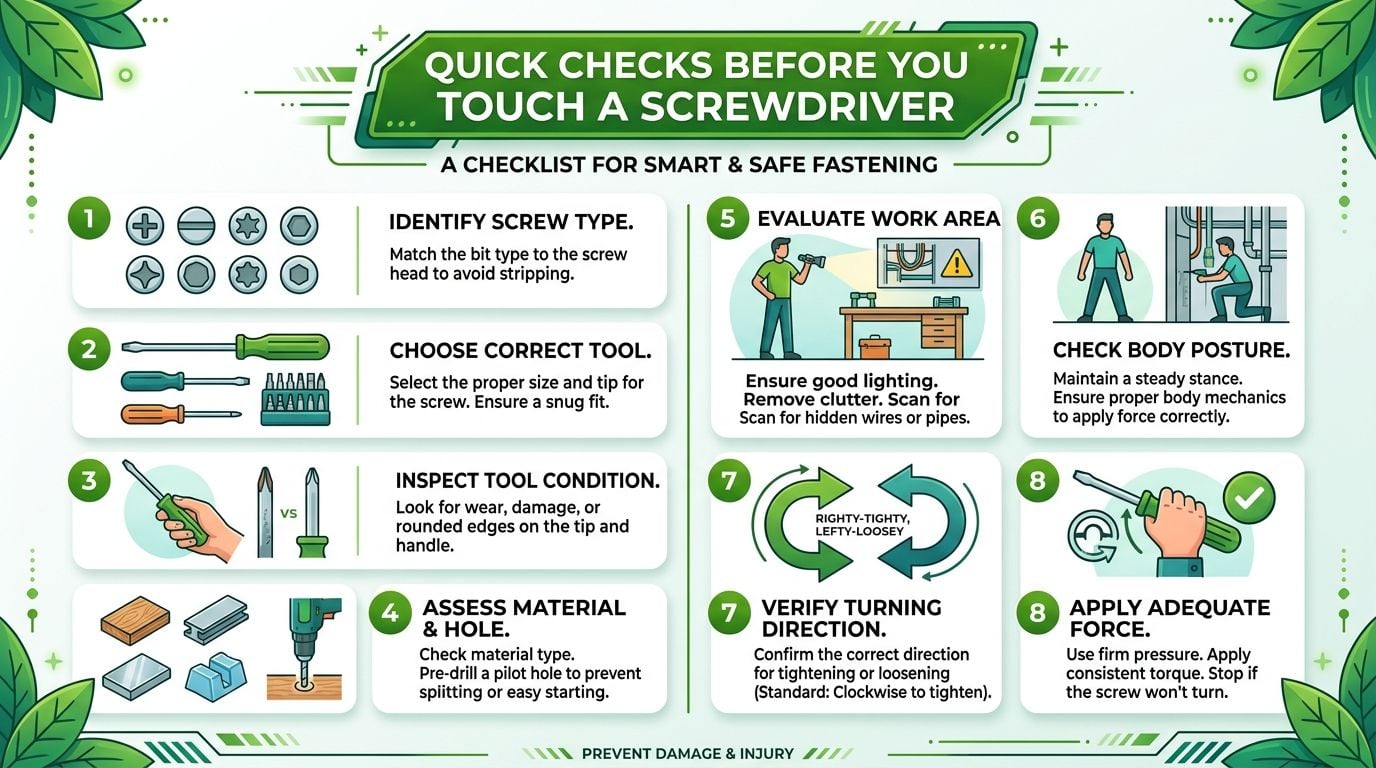
Then inspect the port with a torch. Lint, paper fibres, and corrosion can all stop a plug from seating properly. If you see compacted debris, use a non-conductive plastic pin only, never a metal paperclip. A paperclip can bridge contacts and make a small problem worse.
A greenish residue usually points to corrosion, and a partially seated plug usually feels wrong before it sounds wrong. It won't click fully home, or it will sit at an odd angle and need a wiggle to make contact. If the jack works only when the plug is half inserted, the port or plug geometry is off, and that's a strong sign you've got a mechanical problem rather than a settings issue.
If the same headphones fail in one device but not another, the fault is almost certainly in the device side, not the headset.
By the end of this step, you should know which bucket you're in. Cable problem, settings problem, or hardware problem. That's the fork that decides whether you keep going with a soldering iron or stop before the repair gets expensive.
Replacing a 3.5 mm Plug the Safe Way
When the fault sits in the cable end, a clean plug replacement is the durable fix. The right kit is straightforward, a replacement TRRS plug, wire strippers, a soldering iron, heat-shrink, and a multimeter. I'd add a small vice or helping hands too, because trying to solder a moving cable is how neat work turns ugly.
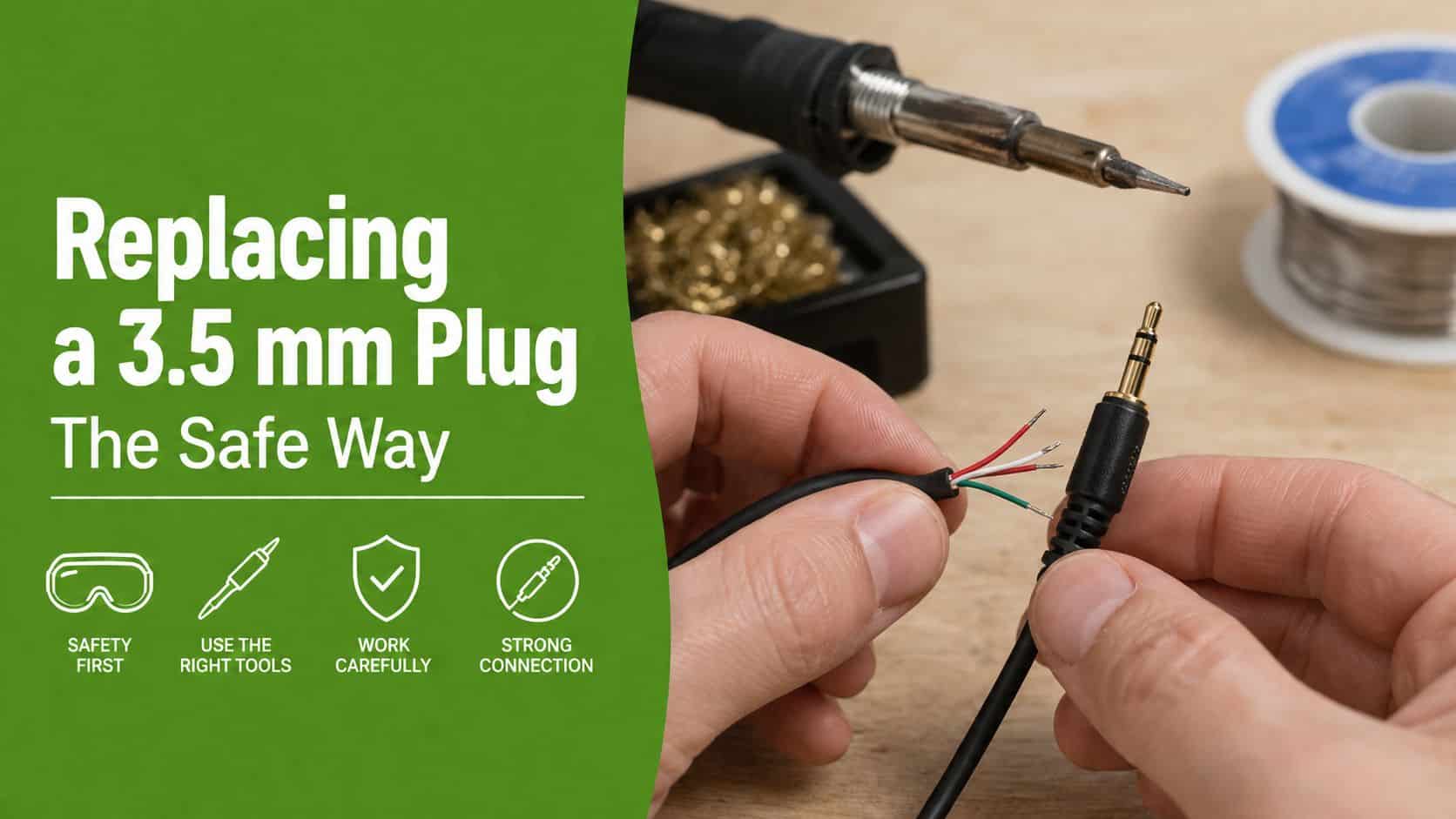
Cut the cable about 1 inch from the old plug, strip roughly 1 inch of outer jacket, and expose the three internal wires for left, right, and ground, as described in a practical Wired repair walkthrough. Wired's headphone repair guide also shows why this work is so fiddly, because the conductors are tiny and the solder needs a clean surface to grab.
Order Matters More Than People Think
Thread the plug shell onto the cable before you solder anything. That tiny mistake causes a full redo if you forget it. Then tin the stripped leads and the terminals, which helps the solder wet properly, especially when the wire is enamel-coated and refuses to bond cleanly on the first pass. iFixit's guide on repairing a headphone jack lays out the same basic sequence, including pre-fitting the shell and using a mechanical clamp or heat-shrink for strain relief.
A simple guide I like to keep nearby when the cable tangle gets messy is the CITYSHEEP premium tech accessories collection, because organised cables make testing and storage less annoying once the repair is done. It's not part of the repair itself, but it saves you from re-crimping a fresh plug into a knot of desk junk.
Use the multimeter before you close the connector. Check continuity, confirm the ground lands where it should, and verify that left and right haven't been swapped. A recent repair walkthrough from AEANET explains that the three functional conductors are usually ground, left, and right, with some TRRS plugs adding microphone wiring, so matching each wire to the correct contact matters. AEANET's jack repair guide also stresses the left/right mapping, which is where a lot of first-time repairs go sideways.
Small habit, big payoff: slide the heat-shrink and shell into position before the soldering starts, then secure the cable with crimp, clamp, or shrink tubing after the joints cool.
One last test with a music source or meter, then reassemble. If one channel is reversed, swap the two signal conductors and test again. That's not a failure, it's a normal cleanup step when the first wire map was off.
Laptops, MacBooks, and Phones Compared
Not every headphone jack lives in the same place, and that changes the risk. A laptop with a separate audio board can be a straightforward modular swap, while a MacBook may tie the jack into a flex cable or logic-board-adjacent assembly that needs more care. Newer phones are a different story again, because many Canadian models now expect USB-C audio adapters rather than a built-in 3.5 mm port.
| Device | Tools needed | DIY-friendly? | Common failure |
|---|---|---|---|
| Windows laptop | Torx bits, plastic spudger, small screwdriver set | Sometimes | Loose board, dirty port, damaged connector |
| MacBook | Pentalobe bits, tweezers, spudger, careful disassembly | Limited | Jack on flex or logic-board side, fragile routing |
| Newer phone with no jack | USB-C adapter, cleaning tools, software checks | Often no | Adapter fault, debris, missing port entirely |
If you're comparing devices before you buy a replacement headset, an audiophile headphone guide can help you think about connector type and listening preferences without guessing. That matters because some buyers in Canada still end up shopping for a jack that isn't physically on the device anymore.
For MacBook owners, the decision often turns on access. The internal layout on modern models can be repairable in some cases, but the jack may sit close enough to other delicate parts that one slip becomes expensive. If you're dealing with a Mac, the Nerds 2 You MacBook repair page is the right local place to start if the port issue goes beyond a basic clean-out.
On a laptop, I'll usually open the back only if the symptoms suggest a removable part or a simple board issue. On a phone, I'm much more conservative, because if there's no native 3.5 mm port, the job may be adapter replacement or troubleshooting, not jack repair at all.
When to Stop and Call a Technician
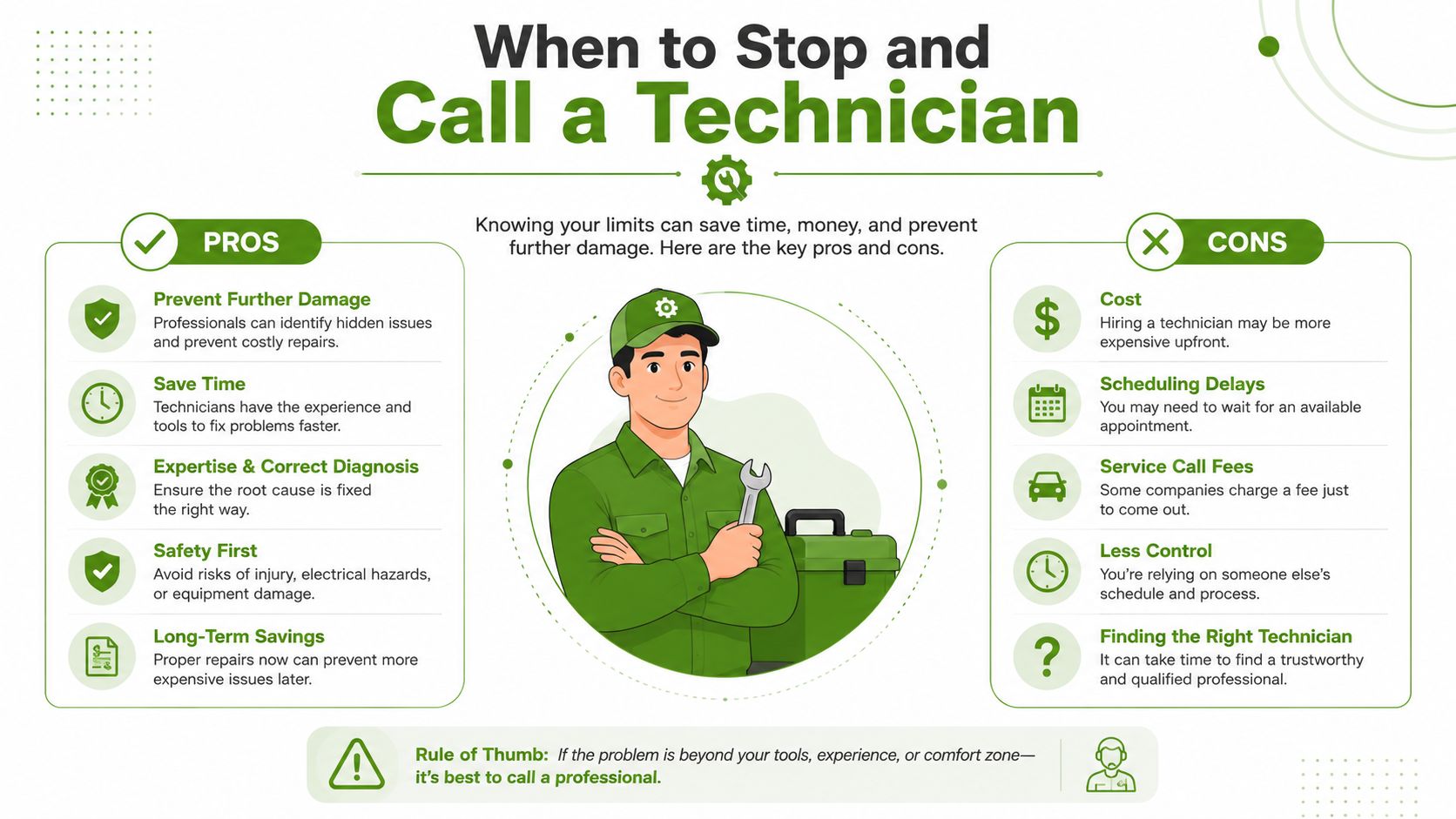
Some faults are repairable, but not safely by a casual DIY approach. If the port wiggles in the chassis, the housing is cracked or crushed, or there are visible burn marks or liquid residue, stop there. Those are structural or contamination clues, and forcing them usually turns a manageable job into a board problem.
A port that cuts in and out when you move the cable near the device is another red flag. It often means the internal solder joints, socket anchor points, or flex connection are failing. That's not the sort of thing I'd hand to someone with a basic kit unless they already have steady soldering experience and the right board-level tools.
Why the line gets drawn there
A cracked jack housing can keep a plug from seating squarely, and a loose port can short or intermittently disconnect under normal use. On a MacBook, especially where the jack sits close to the logic board or a flex path, the risk curve rises fast because one bad pry can affect more than audio. That's why a clean on-site diagnosis often beats a blind parts order.
Practical rule: if the fault looks structural, don't chase it with pressure or glue.
Nerds 2 You doesn't provide remote services, so the diagnosis happens on-site in the home or office. That's useful here, because a technician can test the device live, confirm whether the issue is the port, the cable, the adapter, or the settings, and then decide if the fix is worth doing at all. The computer service and repair page is the right place to start when the problem has moved beyond a simple plug replacement.
Calling a technician stops being a convenience and starts being the correct move. If the physical jack is compromised, the repair is no longer about saving a few minutes. It's about avoiding a much larger failure.
What to have ready for a visit
-
Bring the device and charger. If the technician needs to test power or run audio checks, both save time.
-
Add the headset, dongle, or adapter. The failure often sits in the accessory, not just the device.
-
Mention the symptom clearly. One-sided audio, intermittent sound, or no detection are not the same fault.
Nerds 2 You books on-site service across Edmonton, with hours Monday to Friday 8:00 am to 8:00 pm and Saturdays 10:00 am to 6:00 pm. For small and medium businesses, the same team also handles ongoing support and network monitoring, which helps when audio issues are part of a larger device or office setup problem. If you want the on-site service details, the what on-site computer repair includes page lays out the visit flow in plain language.
When I book a jack job, I want the fault isolated before the visit, because that keeps the appointment focused. If the port is just dirty or the plug is bad, the fix can be quick. If the jack is structurally damaged, the on-site visit still saves a trip to a shop and gets you a real answer fast.
Your Headphone Jack Game Plan
The short version is simple. Test another pair of headphones, check the audio settings and the port for debris, decide whether the fault is in the plug or the device, then stop if the jack is loose, cracked, contaminated, or tied to a MacBook logic-board path. That four-step triage keeps you from wasting time on the wrong fix.
If it's a cable issue, a careful plug replacement can solve it. If it's a device issue, especially a structural one, book a technician instead of pushing further. Most Edmonton households and small offices can settle the question quickly once the fault is identified properly.
Nerds 2 You Edmonton handles on-site headphone jack repair, laptop diagnostics, and MacBook troubleshooting across the city, so you don't have to guess whether the fault is the cable, the port, or the device itself. If you want a local technician to check it in person and fix what failed, visit Nerds 2 You Edmonton and book the next available on-site visit.
Contact Nerds 2 You for quality professional service
Experience the difference with our dedicated team of experts ready to assist you. Whether you need immediate support or have questions about our services, we are here to help. Reach out today and let us provide you with the reliable service you deserve. Your satisfaction is our priority and we guarantee a prompt response to all inquiries.
Discover more from Nerds 2 You
Subscribe to get the latest posts sent to your email.